
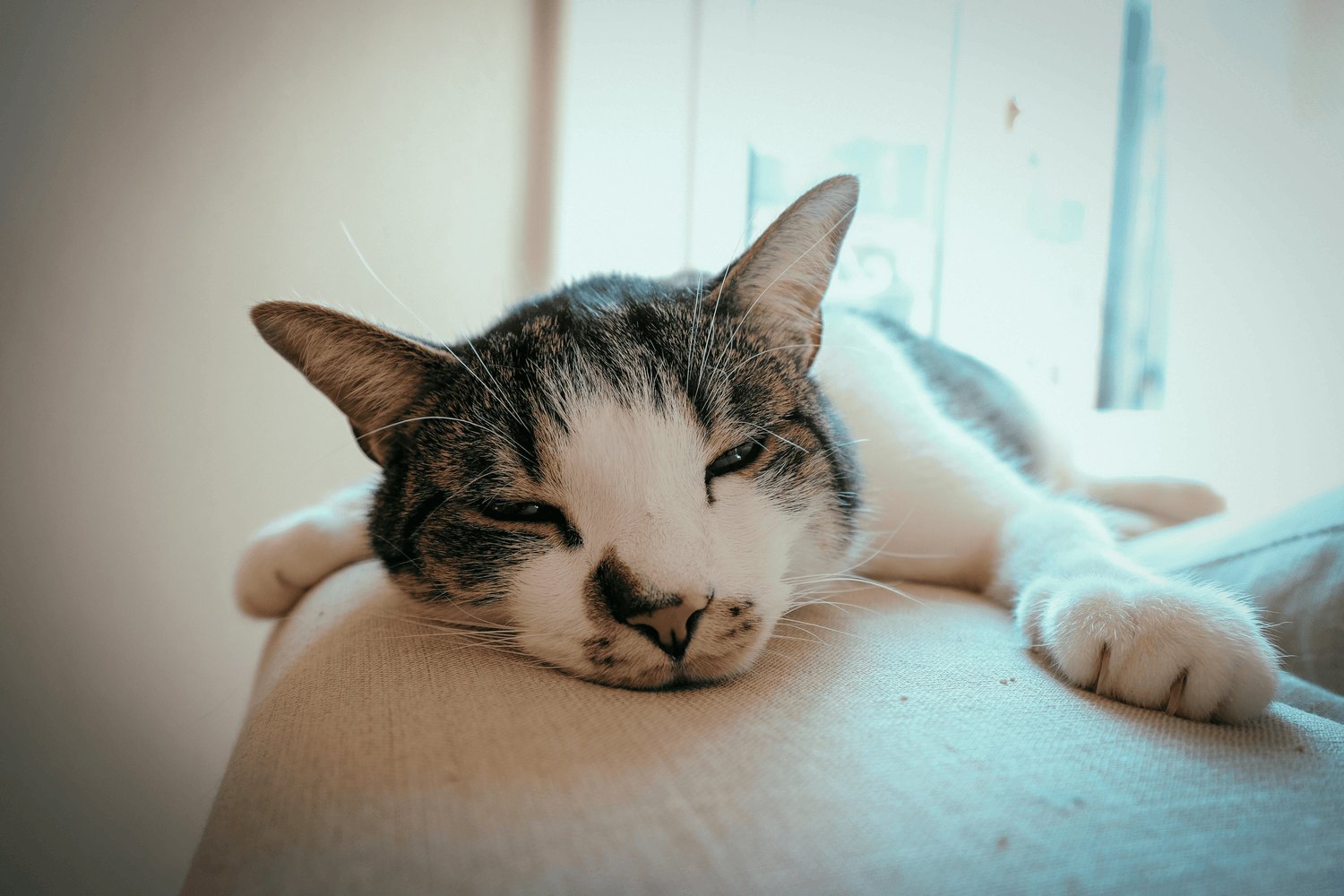
In feline medicine and behavioral research, one principle remains constant: cats do not seek comfort the same way humans do. While people often associate comfort with openness, light, and social presence, cats instinctively gravitate toward enclosure, boundaries, and control. What many owners interpret as a desire to “hide” is, in reality, a fundamental need for security.
In nature, cats are both predators and prey. This dual role has shaped their behavior for thousands of years. While they are skilled hunters, they are also acutely aware of their own vulnerability. Survival depends not only on the ability to act, but on the ability to retreat. A safe space is not a luxury, it is a biological necessity.
Indoor environments often overlook this need.
Modern homes are designed for humans: open layouts, constant movement, unpredictable noise, and frequent social interaction. For a cat, this can be overwhelming. Without a dedicated refuge, the nervous system remains in a low-level state of alert, even when no immediate threat is present. Over time, this continuous vigilance contributes to stress-related behaviors and emotional fatigue.
A safe space allows the cat’s nervous system to disengage.
From a physiological standpoint, enclosed environments help regulate arousal levels. When a cat enters a confined, quiet space, sensory input decreases. Visual stimuli are limited, sound is muffled, and external movement becomes less intrusive. This sensory reduction signals the brain that vigilance is no longer required. Heart rate slows, muscle tension decreases, and the body shifts toward rest and recovery.
This process is essential for emotional balance.
Cats that lack access to a secure retreat often develop coping strategies that owners misunderstand. Avoidance, hiding under furniture, or isolating themselves in hard-to-reach areas are not signs of independence, they are signs of unmet environmental needs. In clinical settings, cats presenting with anxiety-related issues frequently live in homes where they have no consistent, protected resting place.
The concept of a “safe space” goes beyond sleep.
While rest is a key function, secure environments also provide cats with a sense of control. Cats feel safer when they can choose when to engage and when to withdraw. This autonomy is central to their emotional health. When a cat knows it can retreat without being disturbed, it becomes more confident in social interactions. Paradoxically, cats with reliable safe spaces tend to be more affectionate and exploratory, not less.
This dynamic is particularly important in multi-pet households or homes with children. Constant interaction, even when well-intentioned, can become a source of stress. A designated refuge gives the cat a predictable boundary, an area where it can decompress without negotiation.
Research in animal behavior has shown that access to hiding spaces significantly reduces stress markers in domestic cats. Cortisol levels decrease, sleep quality improves, and behavioral stability increases. These effects are not temporary. Over time, cats with secure resting environments exhibit greater emotional resilience and adaptability.
Safe spaces also play a critical role during periods of change. Moving homes, introducing new pets, changes in routine, or even seasonal shifts can disrupt a cat’s sense of stability. A familiar, enclosed resting place acts as an emotional anchor, helping the cat navigate uncertainty with less distress.
It is important to note that a safe space does not need to be large or elaborate. What matters is enclosure, consistency, and respect. The space should feel predictable, protected, and exclusively the cat’s. When these conditions are met, the space becomes more than a resting area it becomes a psychological refuge.
In many cases, providing a secure hideaway resolves behavioral issues without further intervention. Cats that previously appeared withdrawn or irritable often show noticeable improvement once their need for privacy and protection is acknowledged.
Modern feline care increasingly recognizes that emotional well-being is inseparable from physical health. A cat that feels safe rests better. A cat that rests better copes better. And a cat that copes better lives better.
Understanding this changes the way we design our homes, not to control cats, but to accommodate them.
A safe space is not about hiding from the world.
It is about having a place where the world can wait.



Leave a comment
This site is protected by hCaptcha and the hCaptcha Privacy Policy and Terms of Service apply.