
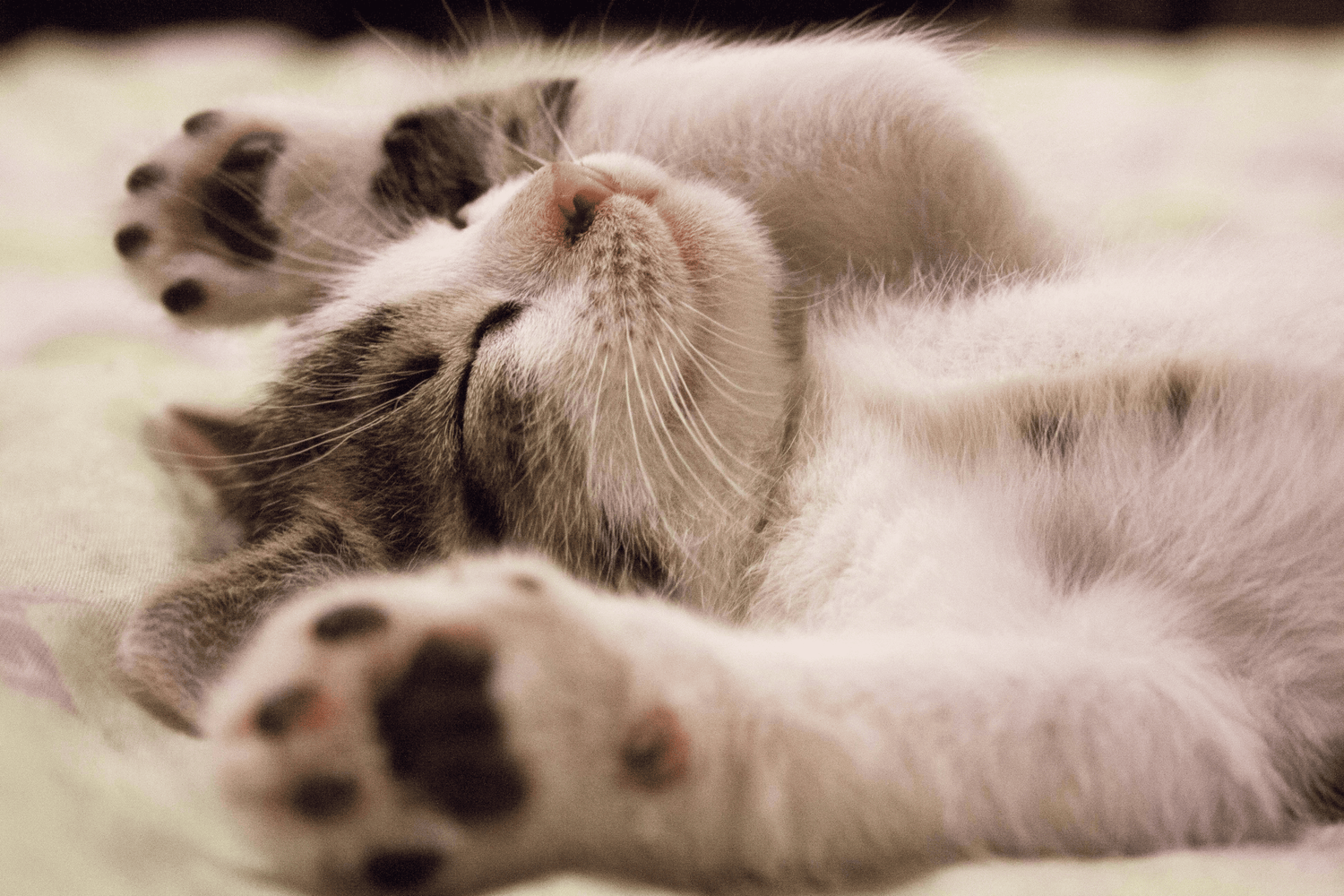
Shedding is one of the most misunderstood aspects of feline health. For many cat owners, it is seen as a nuisance, fur on furniture, clothes, and floors, rather than what it truly is: a biological process deeply connected to a cat’s overall well-being.
From a veterinary perspective, shedding is neither good nor bad in itself. It is a natural function of the skin and coat, regulated by hormonal cycles, environmental factors, and health status. Problems arise not because cats shed, but because shedding is often unmanaged or misinterpreted.
A cat’s coat serves multiple purposes. It regulates body temperature, protects the skin, and acts as a sensory interface with the environment. Hair growth follows a cycle composed of growth, rest, and release phases. When hair reaches the end of its cycle, it detaches and falls out. This is shedding in its simplest form.
Seasonal changes play a major role in this process. As daylight length increases or decreases, hormonal signals trigger coat renewal. Even indoor cats, exposed to artificial lighting and stable temperatures, still experience seasonal shedding, sometimes in a less predictable pattern. This explains why many owners feel their cat “sheds all year long.”
However, not all shedding is equal.
Excessive or irregular shedding can be a signal rather than a coincidence. Stress, nutritional imbalances, lack of stimulation, and skin irritation all influence hair loss. In clinical settings, veterinarians often observe increased shedding in cats experiencing chronic stress or environmental boredom. Elevated cortisol levels interfere with normal hair growth cycles, causing more hair to enter the shedding phase prematurely.
This creates a feedback loop. As more loose fur accumulates, cats ingest more hair during grooming, increasing the risk of hairballs. Discomfort follows, leading to more grooming, which leads to more shedding. Without intervention, this cycle reinforces itself.
Proper grooming breaks this loop.
Regular grooming is not cosmetic care, it is preventive health care. By removing loose fur before it detaches naturally, grooming reduces hair ingestion, supports skin health, and allows the coat to breathe. It also stimulates blood circulation at the skin’s surface, which promotes healthier hair growth over time.
Equally important is how grooming is done.
Cats are highly sensitive to tactile input. Rough or improper brushing can cause micro-irritation, leading to avoidance behavior or increased grooming as a stress response. Gentle, consistent grooming sessions are far more effective than infrequent, forceful ones. When grooming is perceived as calming rather than invasive, cats are more likely to tolerate and even enjoy it.
Coat type plays a significant role in grooming needs. Long-haired cats tend to trap more loose fur within their coat, requiring more frequent brushing, especially during shedding periods. Short-haired cats shed just as much, but the hair disperses more easily into the environment, making the issue less visible until it accumulates.
From a behavioral standpoint, grooming also serves as a bonding and regulation activity. Cats groom themselves to self-soothe. When humans participate in this process gently, it can reinforce trust and reduce anxiety. This is why many cats relax visibly during calm grooming sessions, even if they initially resist.
Managing shedding effectively requires consistency rather than intensity. Once or twice a week is often sufficient, depending on coat type and season. The goal is not to eliminate shedding an impossible task, but to guide it, control it, and integrate it naturally into the cat’s routine.
It is also important to consider the environment. Clean resting areas, breathable bedding, and stress-free spaces all contribute to coat health. A cat that feels secure sheds differently than one under constant tension.
In recent years, veterinary research has increasingly highlighted the connection between skin health, emotional balance, and environmental enrichment. Shedding is no longer viewed as an isolated phenomenon but as a visible indicator of internal equilibrium.
When shedding is managed properly, cats experience fewer hairballs, healthier skin, and greater comfort. Owners experience cleaner homes and calmer routines. Most importantly, the relationship between cat and human improves, shifting from frustration to understanding.
Shedding is not a problem to fight.
It is a signal to listen to.

Leave a comment
This site is protected by hCaptcha and the hCaptcha Privacy Policy and Terms of Service apply.