
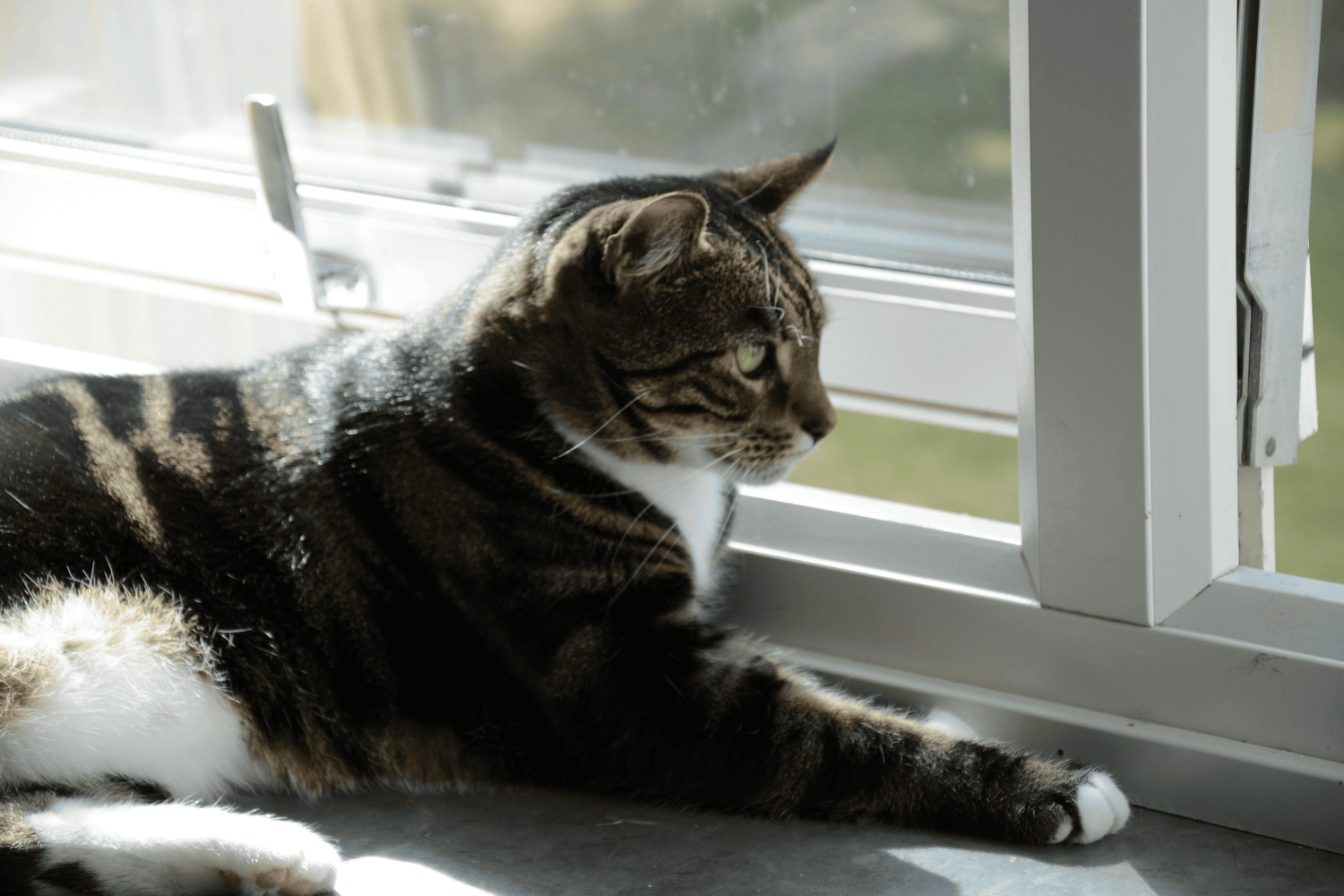
Living with pets inevitably changes the way a home functions. Fur appears on furniture, floors require more frequent cleaning, and certain areas become more exposed to odors and allergens. For many pet owners, this reality creates a quiet tension between the desire for a clean living space and the joy of sharing life with animals.
From a veterinary and environmental health perspective, cleanliness in a pet-friendly home is not about aesthetics. It is about balance.
A clean environment benefits both humans and animals. It reduces allergen buildup, limits bacterial growth, and supports overall well-being. However, attempting to maintain a “perfectly clean” home without adapting habits often leads to frustration and unnecessary effort. The key lies not in constant deep cleaning, but in consistent, intelligent routines.
One of the most overlooked aspects of cleanliness is prevention.
Pet hair, for example, does not spread randomly. It accumulates in predictable zones: resting areas, favorite spots, high-contact surfaces. When these areas are managed regularly, overall cleanliness improves significantly without increasing workload. Small, frequent actions are far more effective than occasional intensive cleaning sessions.
From a behavioral standpoint, pets are creatures of habit. Cats and dogs gravitate toward familiar textures and locations. Understanding these patterns allows owners to work with the environment rather than against it. Designating specific resting zones, maintaining clean bedding, and managing high-use areas creates a natural structure that limits widespread mess.
Hair and dander management is another critical factor.
Shedding is a natural biological process, but unmanaged shedding contributes to airborne particles and surface buildup. Regular grooming plays a central role in reducing this load at the source. When loose hair is removed before it disperses, it never reaches furniture, clothing, or floors. This upstream approach dramatically reduces the need for downstream cleaning.
Environmental hygiene also influences animal behavior.
Pets living in cluttered or overly restrictive environments often display increased stress-related behaviors. Stress, in turn, exacerbates shedding, accidents, and restlessness. A calm, organized space supports emotional regulation in animals, which indirectly improves cleanliness. This relationship is rarely acknowledged, yet frequently observed in clinical settings.
Another important consideration is sustainability.
Disposable cleaning products offer short-term convenience but often create long-term waste and dependency. Reusable tools and washable materials align better with both environmental responsibility and practical efficiency. They allow quick interventions without generating unnecessary waste or recurring costs.
Cleanliness should never feel punitive.
When cleaning routines become associated with frustration or constant correction, pets sense this tension. Calm, neutral maintenance helps preserve trust and stability. Animals thrive in environments where boundaries are clear but non-threatening. This includes predictable cleaning routines that do not disrupt their sense of security.
Odor management deserves special attention.
Odors are not merely unpleasant; they signal underlying imbalances. Poor ventilation, infrequent litter maintenance, or unclean resting areas contribute to lingering smells. Addressing the source rather than masking odors leads to healthier outcomes. In many cases, improving airflow, maintaining clean surfaces, and ensuring proper hygiene routines resolve the issue without the need for strong chemical products.
Modern pet care increasingly recognizes that cleanliness and well-being are interconnected. A clean home supports better respiratory health, reduces allergen exposure, and enhances emotional comfort for both pets and humans. At the same time, pets living in low-stress environments contribute less mess overall.
The goal is not perfection.
A truly pet-friendly home is one that feels lived-in, balanced, and intentional. It accommodates natural behaviors while maintaining a level of cleanliness that supports health and comfort. This balance is achieved not through constant effort, but through thoughtful systems that work quietly in the background of daily life.
When cleanliness becomes a habit rather than a battle, living with pets transforms from a compromise into a harmony.



Leave a comment
This site is protected by hCaptcha and the hCaptcha Privacy Policy and Terms of Service apply.