
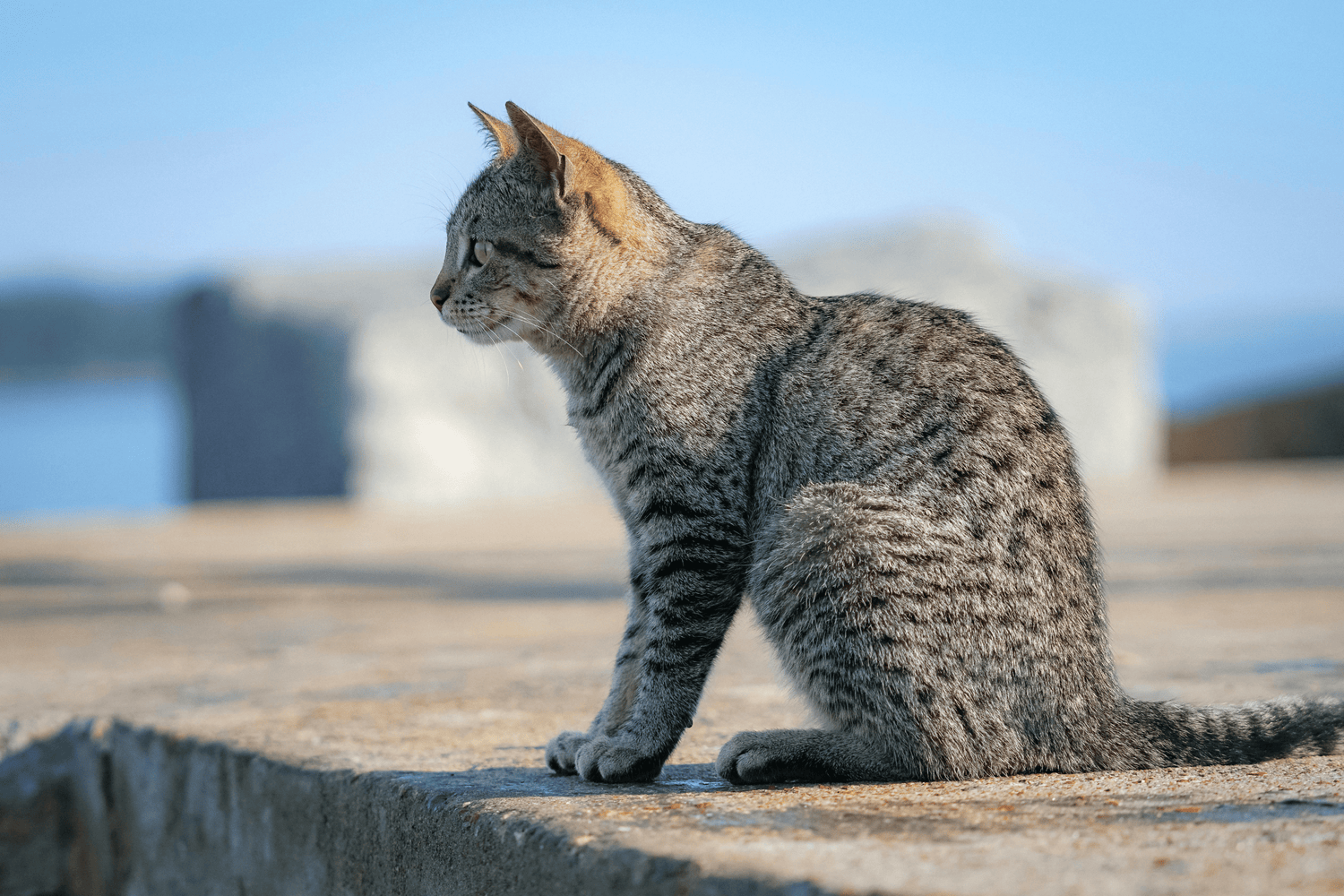
A cat’s well-being is not defined by a single factor. Health, behavior, and emotional balance emerge from the interaction of daily patterns that often go unnoticed. Among these, three elements consistently appear in both clinical observation and behavioral research: play, rest, and routine.
Together, they form the foundation of a stable feline life.
Play is the most visible of the three, yet it is frequently misunderstood. For cats, play is not entertainment in the human sense. It is a functional behavior that replicates hunting sequences. Movement, anticipation, and capture activate neural circuits designed to keep the brain alert and the body responsive. When play is absent or insufficient, these circuits remain underutilized, leading to frustration and excess energy.
Importantly, play does not need to be intense or prolonged. Cats benefit most from short, purposeful sessions that mimic natural rhythms. These moments allow the nervous system to engage fully and then disengage naturally, preparing the body for rest. This transition is essential. Play without resolution can be as destabilizing as no play at all.
Rest, in contrast, is where recovery occurs.
Cats sleep for a large portion of the day, but not all rest is equal. Deep, restorative rest requires a sense of safety. Without security, sleep becomes fragmented, shallow, and physiologically ineffective. In behavioral studies, cats with access to protected resting spaces show improved sleep quality, lower stress markers, and greater emotional stability.
Rest is not simply the absence of activity; it is an active biological process. During rest, the brain consolidates experiences, regulates hormones, and restores energy. Cats that rest well are more resilient, less reactive, and better able to cope with environmental changes.
Routine binds play and rest together.
Cats are highly sensitive to predictability. Consistent patterns help them anticipate what comes next, reducing uncertainty and anxiety. Routine does not mean rigidity, but rather a reliable structure. Feeding times, play moments, and quiet periods create a rhythm that the nervous system learns to trust.
When routine is absent or constantly disrupted, cats may become hypervigilant. This state of chronic alertness interferes with both play and rest. Conversely, a stable routine allows cats to relax fully into each phase of their day, knowing that their needs will be met.
The relationship between these three elements is cyclical. Play expends energy and satisfies instinctual drives, making rest more effective. Quality rest supports emotional regulation, making play more focused and less frantic. Routine ensures that both occur in a balanced, predictable way.
In indoor environments, this balance becomes even more important.
Without natural cues from the outside world, cats rely entirely on their surroundings to structure their day. When environments support movement, security, and consistency, cats adapt with remarkable ease. When these elements are missing, even the most loving home can feel disorienting from a feline perspective.
Veterinary behaviorists increasingly emphasize that many common behavioral concerns are not signs of disobedience or temperament flaws. They are signals of imbalance. Adjusting the environment to restore play, rest, and routine often resolves these issues without medication or intervention.
Understanding this shifts the role of the owner. Care becomes less about control and more about design. By shaping an environment that respects natural rhythms, we allow cats to express healthy behavior effortlessly.
A happy cat is not constantly active, nor permanently at rest. It moves, recovers, and repeats, guided by instinct and supported by routine.
When play, rest, and routine align, well-being follows naturally.

Leave a comment
This site is protected by hCaptcha and the hCaptcha Privacy Policy and Terms of Service apply.